
Arches & Canyonlands Photography Workshop
This Arches & Canyonlands photography workshop is based in Moab, Utah. The region's desert landscape is defined by sculpted sandstone formations, natural arches, and wide open skies that reveal the structure of the land in changing light. We photograph these landscapes at sunrise and sunset and often continue into the night capturing the Milky Way, working in a small group where instruction happens in the field as light and conditions evolve.
Workshop overview
About the Arches & Canyonlands photo workshop
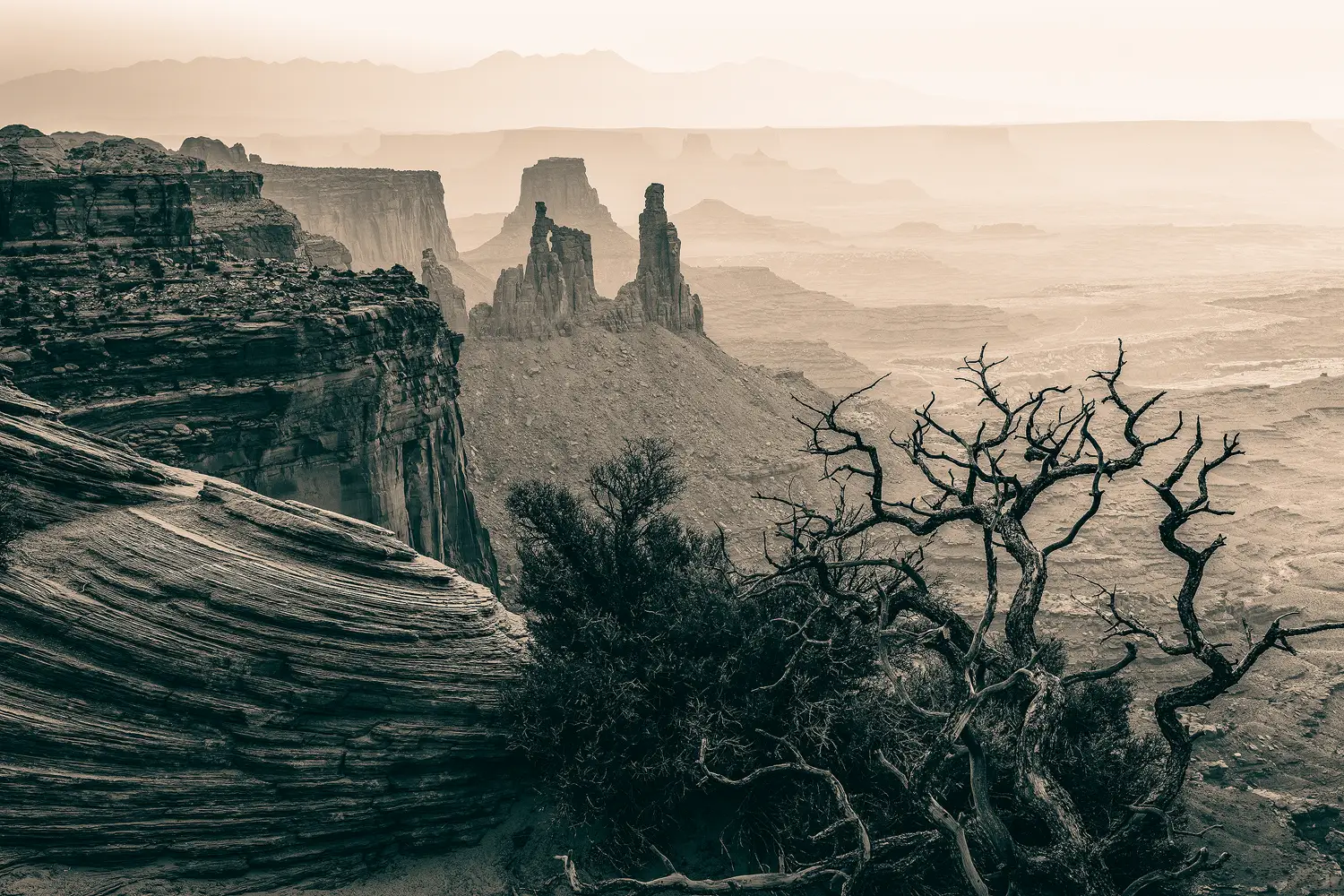
The glow of early and late light reflecting off the red sandstone formations around Moab and the surrounding parks has long drawn landscape photographers. Photographing here is less about finding scenes and more about making compositions that hold together. The sculpted fins, arches, and towers can easily overwhelm an image, and small decisions about lens choice, foreground placement, and framing often determine whether a photograph resolves clearly or falls apart.
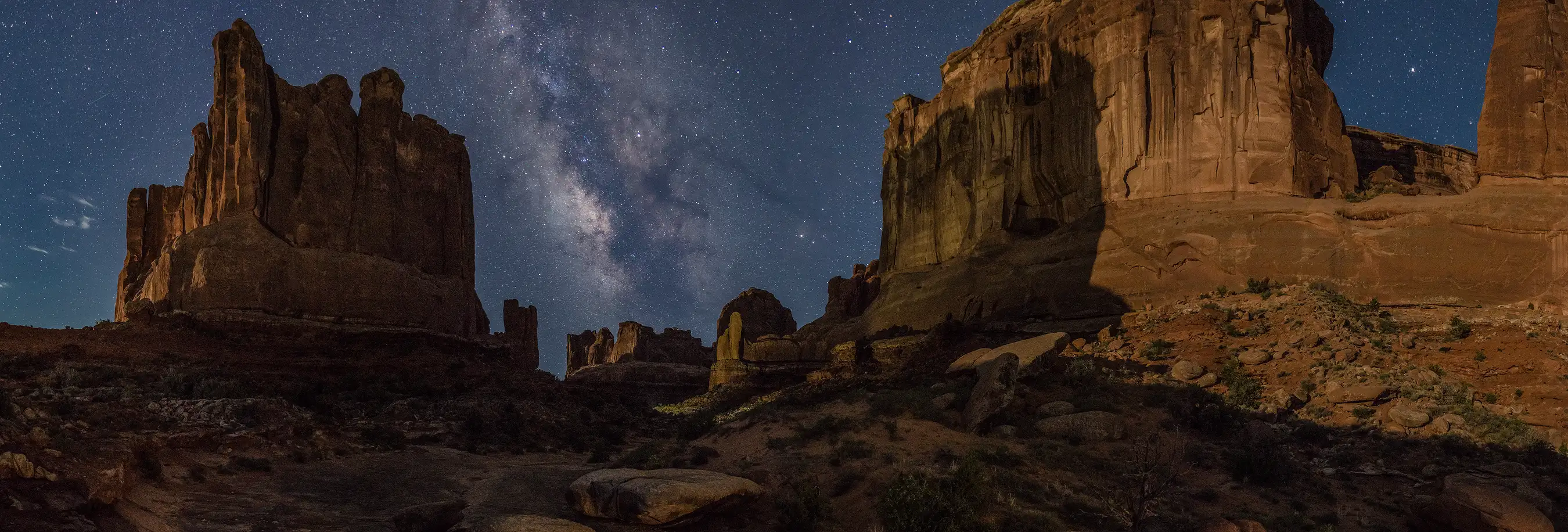
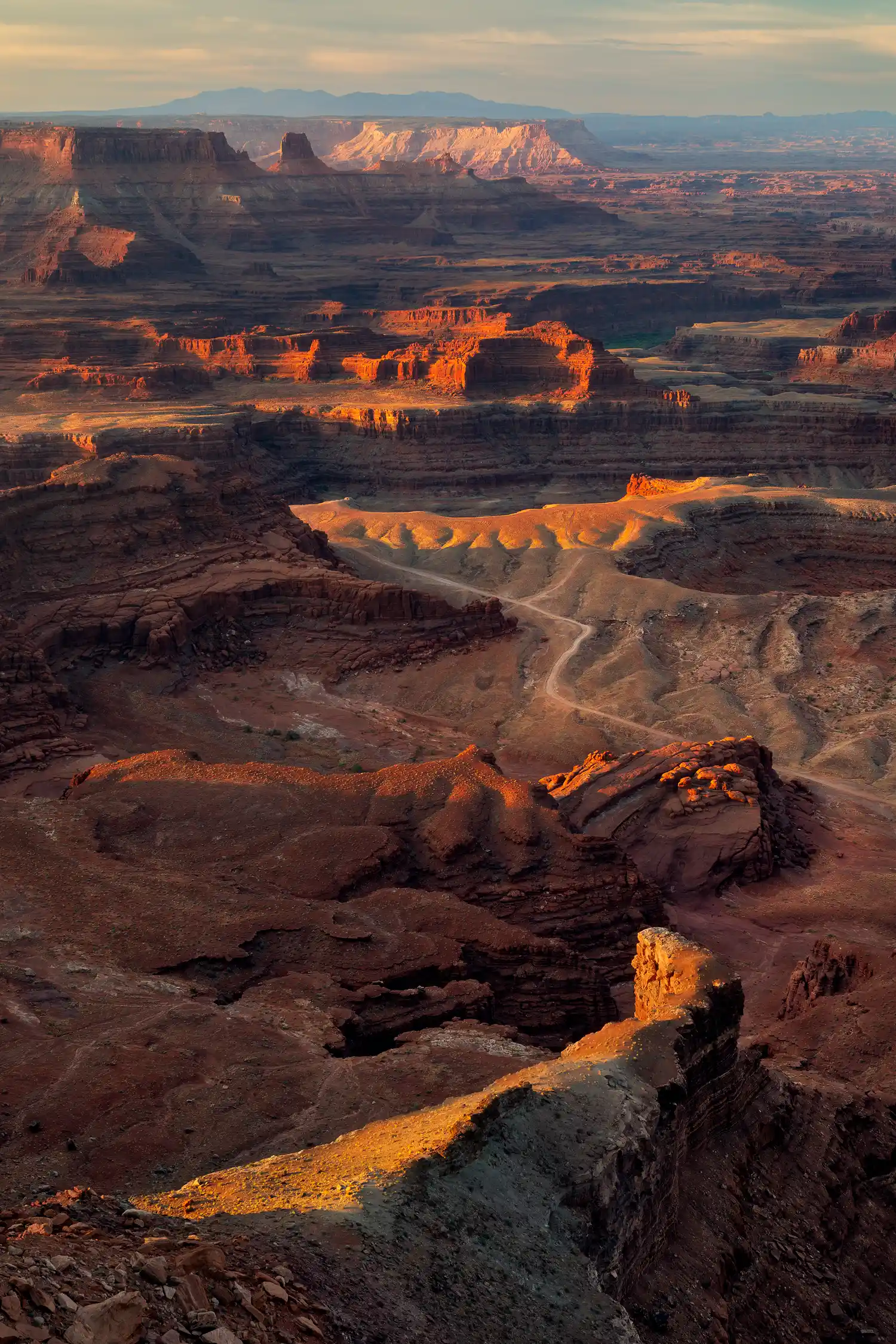
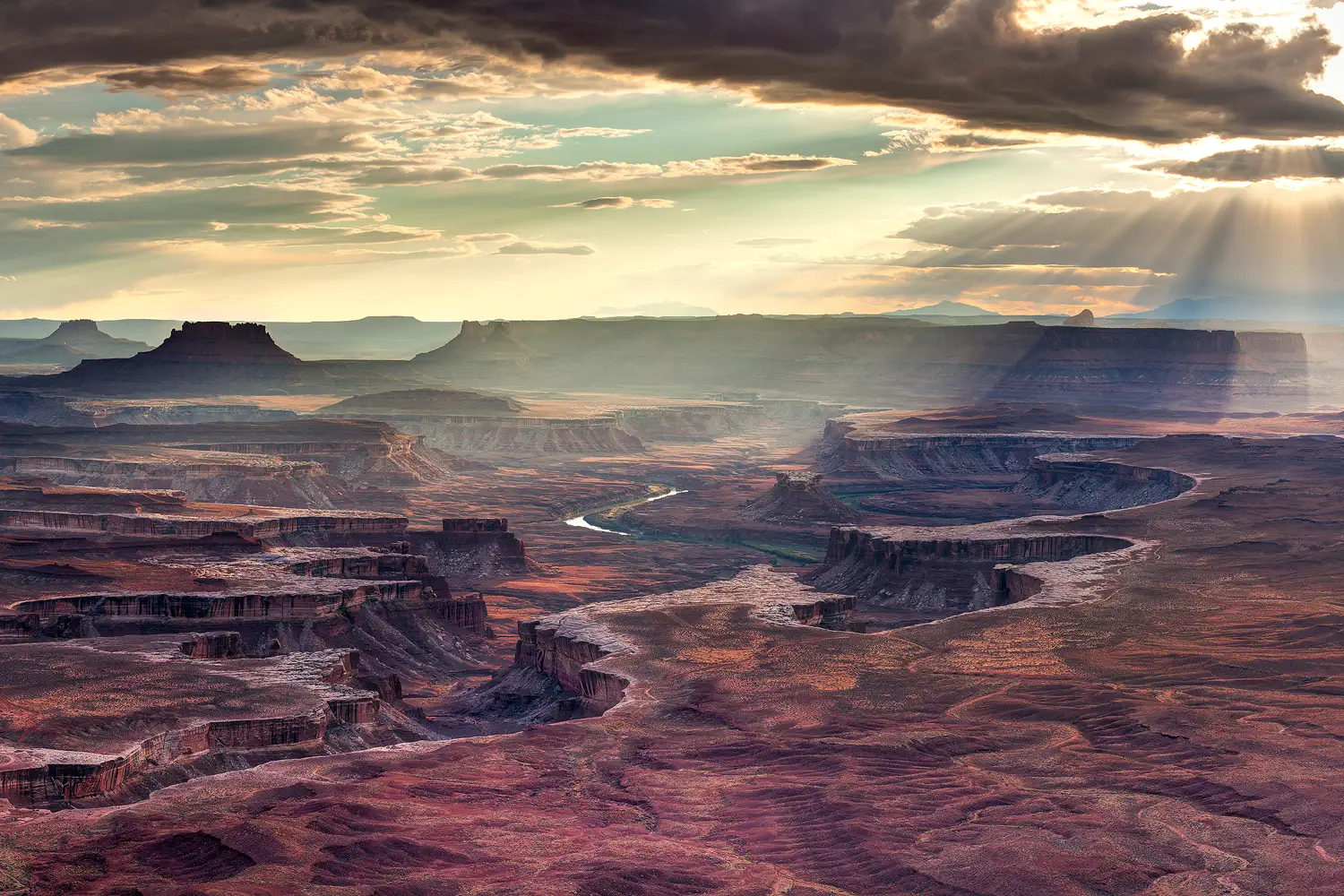
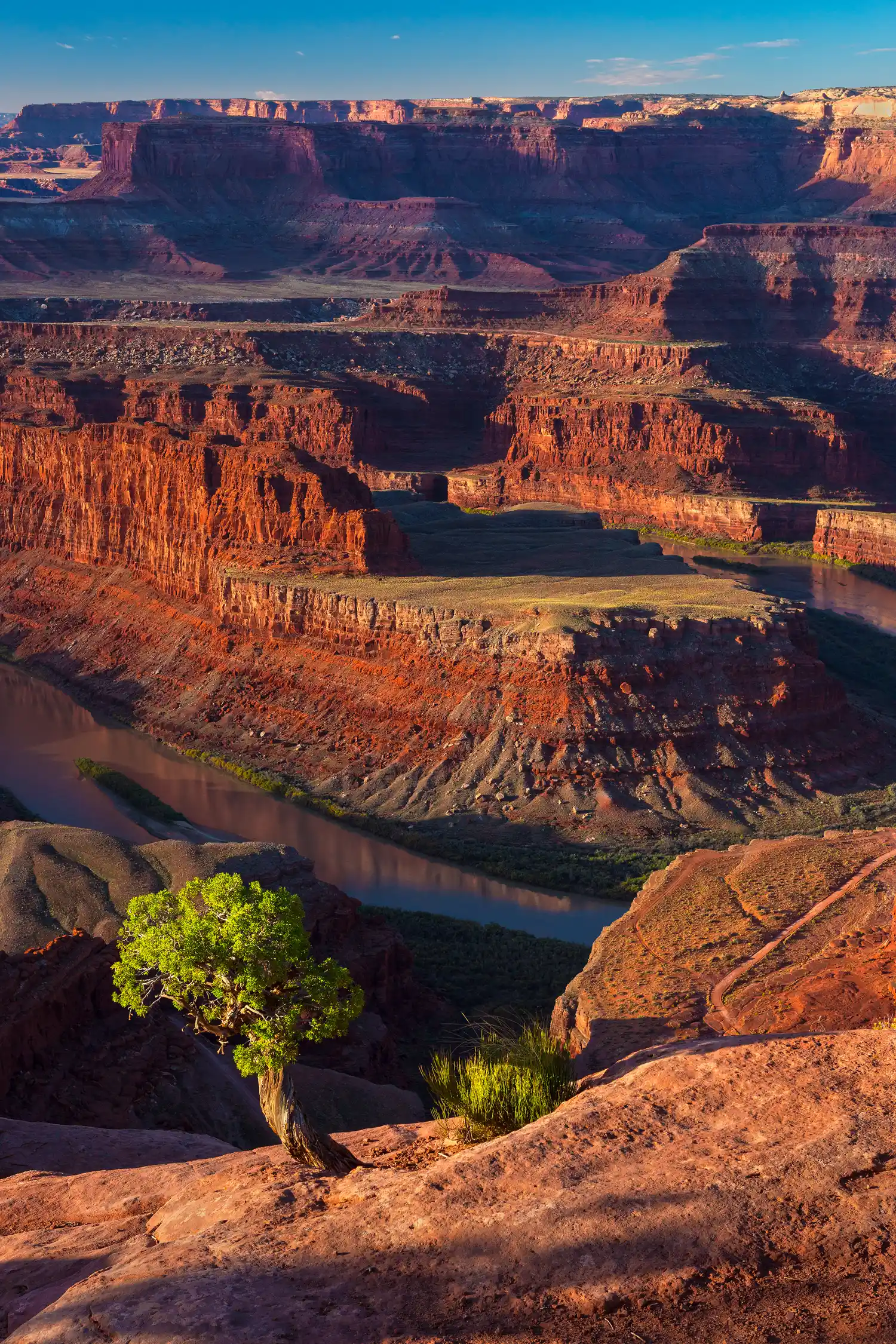
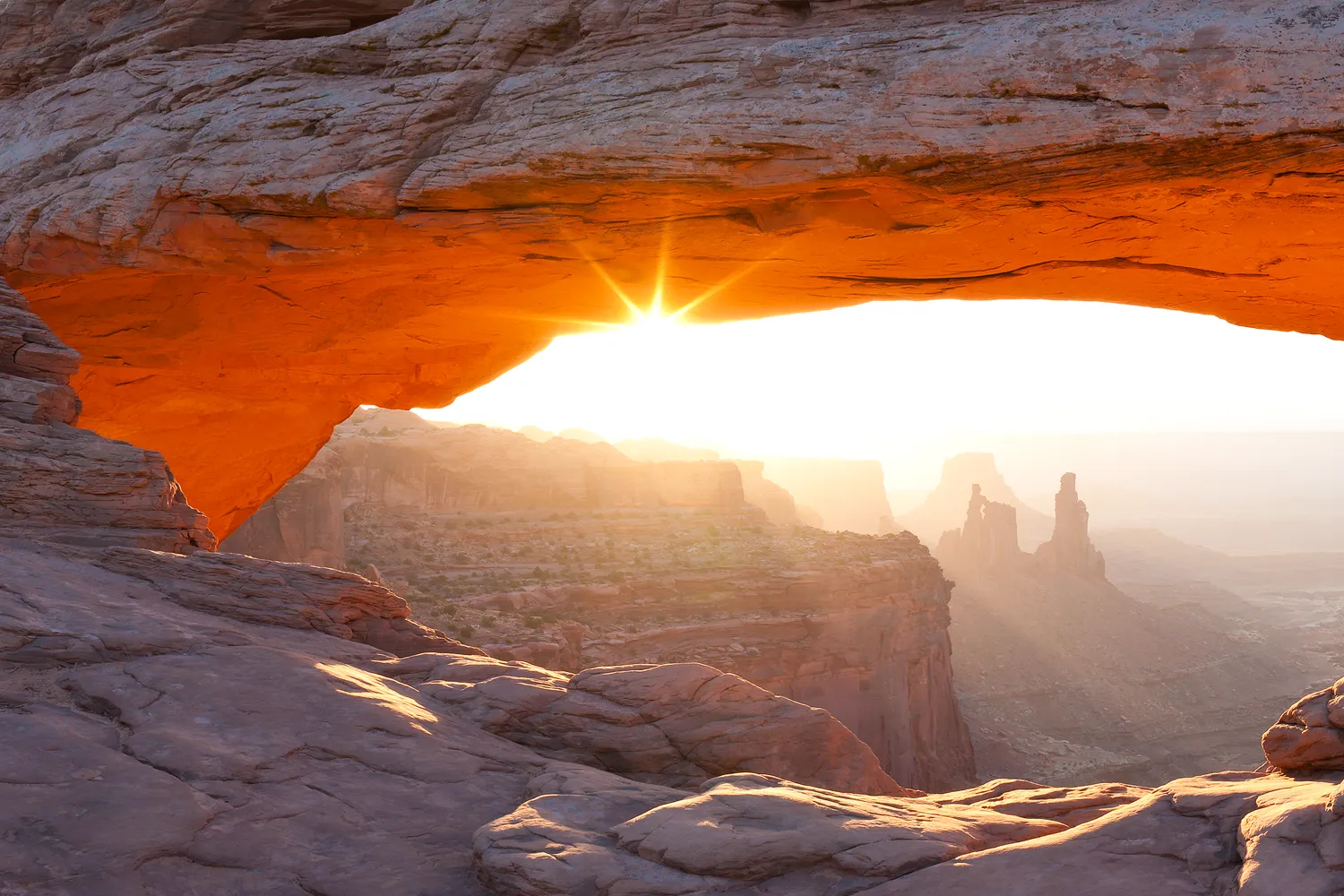
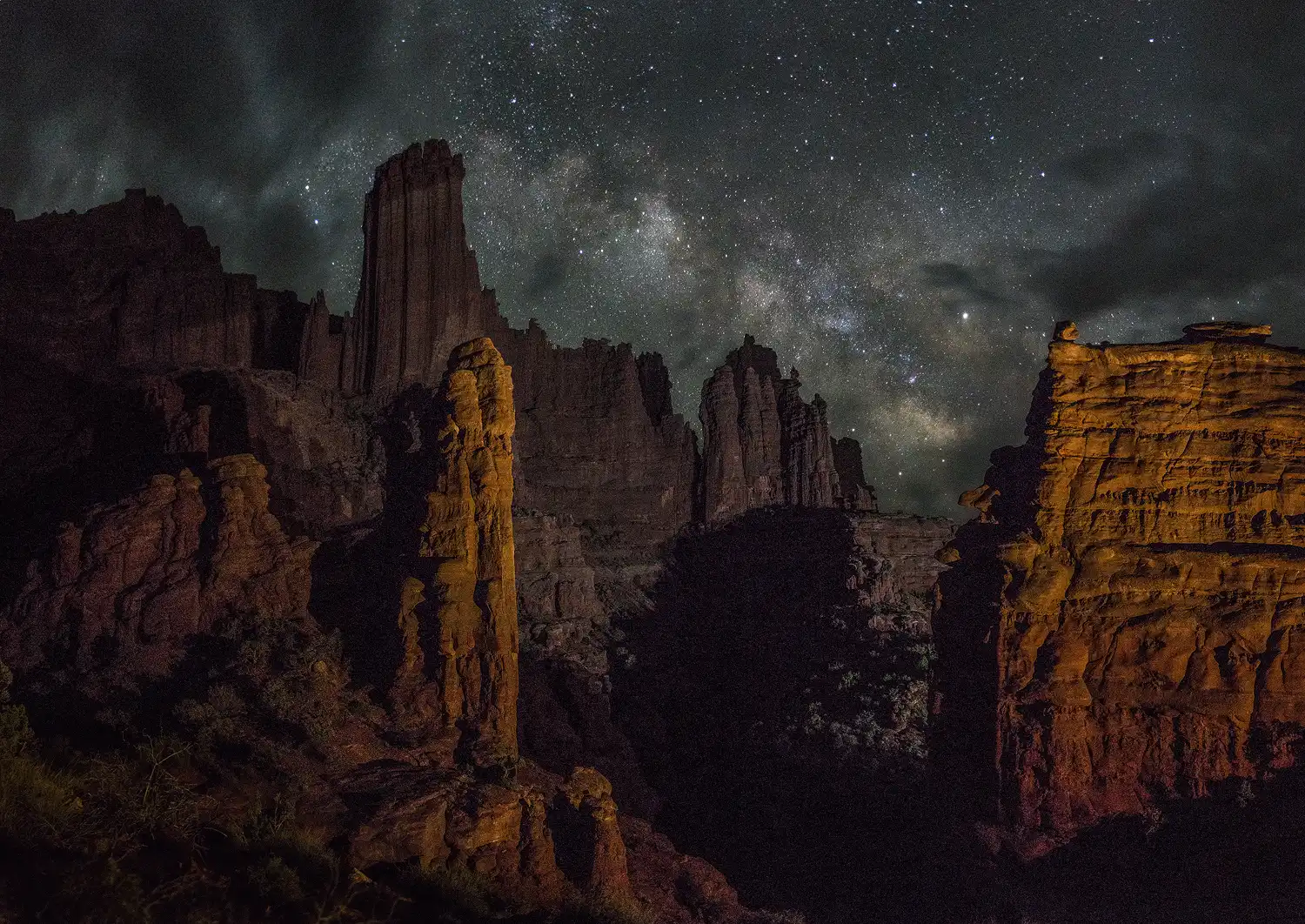
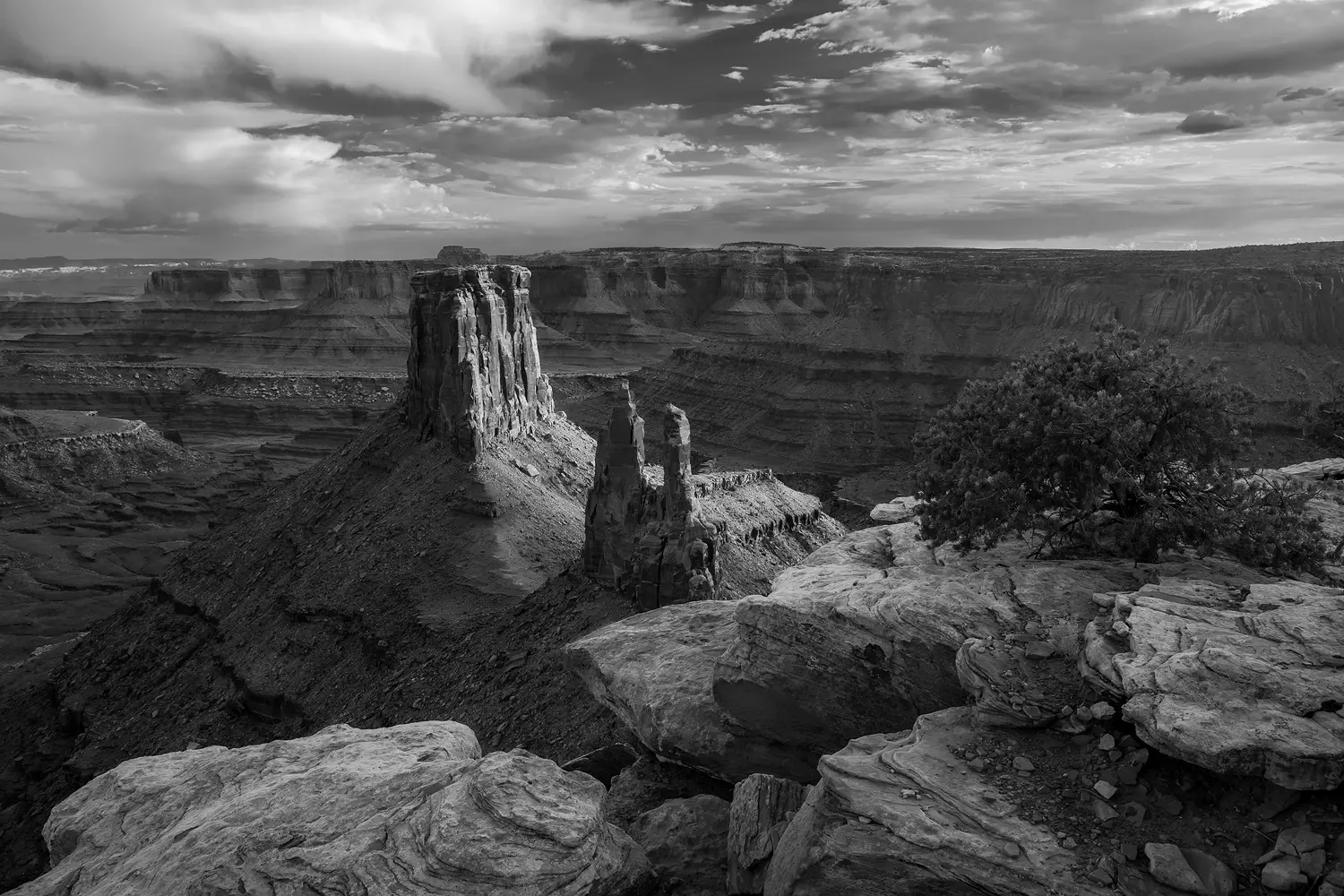
This workshop is structured around the light that shapes the desert landscape. Sunrise and sunset bring separation and depth to the sandstone formations, while clear nights are reserved for Milky Way photography. We work within Arches and Canyonlands National Parks and in the surrounding desert near Moab. Sunrise sessions may take us to places such as Mesa Arch or Dead Horse Point, while evening light often works well at locations like Marlborough Point or the Green River Overlook. When skies are clear, twilight sessions can extend into night photography around formations such as Park Avenue or Fisher Towers.
Participants spend extended time in strong locations, with the emphasis on refining compositions. Many scenes here are well known, but translating what the eye sees into a strong photograph often requires simplifying complex rock formations, choosing effective focal lengths, and balancing sky with foreground. Andy is present throughout the week not to make his own photographs, but to help participants work through those decisions, offering guidance when needed and stepping back when things are working. People attend for different reasons, some to refine technique, some for timing and access, others for the experience itself, but the expectation is the same: to leave with a set of photographs worth keeping. You can read more about how instruction works across all workshops on the How We Teach page.
Workshop highlights
Desert light and sandstone structure
The sculpted fins, arches, and towers of the Moab region respond strongly to directional light. Sunrise and sunset create separation across the sandstone, revealing shape, texture, and depth that disappear under flat midday light. We spend time working these scenes carefully, often refining compositions through small changes in position or focal length.
Milky Way photography fundamentals
Night photography here depends on accurate focus, stable support, and usable exposure choices. We work through capture techniques that balance sky brightness, noise control, and detail, producing files that remain flexible in post-processing.
Blending night skies with dusk foregrounds
When working in the parks, foregrounds are often photographed at dusk, when color and detail are easier to control, followed by Milky Way captures once the sky is fully dark. These files are later blended during processing to produce clean, adjustable results without introducing excessive noise in the landscape.
Controlled foreground illumination
Outside park boundaries, and only where appropriate, we may use dimmable light panels to explore subtle foreground illumination. The emphasis is on restraint and balance so that the foreground light matches the character of the sky rather than overpowering it.
Why July works well here
July offers comfortable night temperatures for Milky Way photography, which begins shortly after dark. This avoids all-night sessions and helps maintain energy through the week. The season can also bring cloud structure that adds shape to sunrise and sunset light, and the parks are typically less crowded than during peak spring and fall months.
Workshop itinerary and schedule
Overview
-
Monday, July 26
— Welcome meeting, introductions, and discussion.
Evening: First twilight or night photography session as conditions allow. -
Tuesday–Friday, July 27–30
Photography sessions scheduled around sunrise, sunset, and night sky conditions. Midday time reserved for rest, image review and post-processing.
-
Friday, July 30
Final sunset session.
Lodging
Comfort Suites400 N Main Street, Moab, UT 84532
Lodging website · 435-259-5455
What to expect
- Morning: Mornings are decided by the previous night's conditions. After late Milky Way sessions, there is no formal group sunrise, and participants are free to rest or photograph independently. When evenings wrap earlier, we're in position before dawn for blue hour and sunrise, as light builds across the landscape.
- Midday: Midday is for rest, image review, and post-processing, guided by the files you're making in the field. The focus is on blending exposures, managing tone and contrast, refining panoramas, and aligning the final image with your original intent. Participation is flexible.
- Evening: Most nights begin with sunset photography. On clear nights, we extend into Milky Way photography. When clouds move in, we wrap after sunset and save energy for the following morning. We work when conditions are productive rather than forcing a fixed routine.
Registration
Registration details are available on the next page where you'll find secure PayPal buttons. You can check out as a guest using your credit or debit card—no PayPal account required.
Workshop details
- Experience level
- Beginner to advanced photographers. The workshop includes advanced night sky and post-processing techniques, so beginners should be comfortable learning in a fast-moving environment.
- Group size
- Small group (maximum of 7 participants).
- Effort
- Light to moderate hiking. The longest hike is just over 0.5 miles each way with mild elevation gain. Expect uneven, sloped rock in places—sure footing helps.
- Conditions
- Warm evenings that cool quickly after sunset. Be prepared for possible chilly rain and thunderstorms.
- Elevation range
- Roughly from 4,100 to 6,000 feet—hydration matters.
Getting to the workshop
Air travel
Likely airport choices include Moab (UT), Grand Junction (CO), and Salt Lake City (UT).
Drive times: Grand Junction to Moab is about 2 hours. Salt Lake City to Moab is about 4 hours.
Driving and carpooling
Roads are generally paved, with a few gravel sections. A standard rental car is sufficient, though an SUV can be more comfortable and offer a bit more clearance in spots. We encourage participants to carpool during the workshop to reduce impact and simplify logistics.
Recommended gear
Lenses
For sunrise and sunset, a useful range is roughly 18mm to 400mm (full-frame equivalent). For the Milky Way, you'll want a true wide option: on full-frame, at least 16mm; on APS-C, roughly 10mm. If you're unsure how your lens performs wide open, test it before arriving. (See PDF: How to test lens sharpness.)
Tripod and stability
Bring a solid tripod with thick legs that can reach a comfortable working height. Wind and long sessions make stability matter.
Filters
A polarizer helps reduce rock glare and deepen skies.
Software and planning
Bring a laptop with Adobe Photoshop installed. For planning night skies in the field, the PhotoPills app, for your phone, is strongly recommended.
Other essentials
Sturdy hiking boots, the ability to carry plenty of water, and layers for cool down drafts and possible rain.
Workshop community
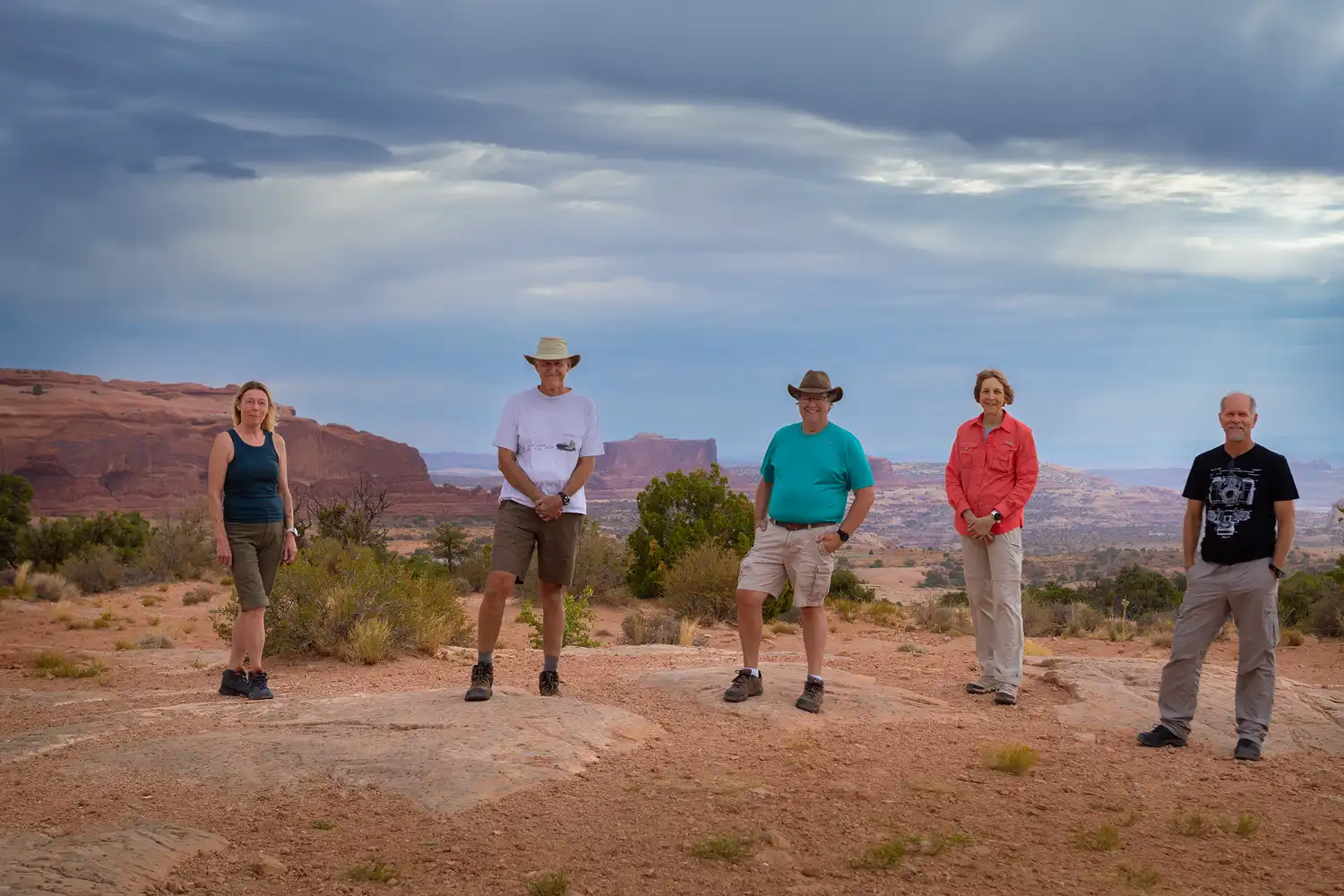
See photographs created by participants during past Arches and Canyonlands workshops.
FAQ
- How much of this workshop is night sky photography versus daytime landscapes?
-
It's a balanced mix. Most days include opportunities for sunrise and early morning work, slower midday time for rest or image review, and sunset photography. On clear nights we extend into the Milky Way. When that happens, the following morning is often flexible. The aim is to work both day and night well, without forcing a rigid schedule or exhausting the group.
- I've never photographed the Milky Way—will I be lost?
-
No. You should expect a learning curve, but the fundamentals are covered in the field. If you're new to night photography, you'll get help with focus, exposure choices, and capture setup. If you already have experience, guidance is delivered as needed. Everyone works at their own pace.
- Are the locations all the famous viewpoints, or do we get away from crowds?
-
July is generally less crowded than peak seasons, and we do work a few iconic locations. There's a reason they're famous. The difference is how we approach them: using timing, pacing, and alternative compositions to make those places productive. We also spend time in quieter areas in and around Moab, including locations outside park boundaries when appropriate.
- How much hiking is involved, and what are the conditions like in late July?
-
Hiking is light to moderate. The longest walk is just over half a mile each way, with mild elevation gain, though footing can be uneven on sloped rock. Evenings can start warm and cool quickly after sunset, especially with wind. Thunderstorms are possible. Staying hydrated matters, particularly at elevations between roughly 4,100 and 6,000 feet.
- How much post-processing instruction is included, and what should I bring?
-
Post-processing help is available during midday downtime, using your own files. We focus on night-sky blends, panoramas, and tonal control. Bring a laptop with Photoshop if you want hands-on assistance, but participation is optional. Resting instead of editing is always fine.
Further Study
For photographers interested in refining post-processing techniques related to this workshop, the following tutorials may be helpful: